0%

Lately, the demand for Industrial UAVs in China has really taken off, drawing interest from buyers all around the world. As the market keeps evolving, it’s more important than ever to keep an eye on the key players. Take Dr. Eric Zhang, for example — he's a top researcher in UAV tech and once said, “Innovation is what’s shaping the future of Industrial UAVs.” Honestly, that just goes to show how crucial it is to stay updated with the latest developments.

China's got some pretty big names in the game, with companies like DJI leading the way in aerial tech and serving a variety of industrial needs. Then you’ve got players like EHang and XAG, making impressive progress in areas like farming and logistics. Their gadgets often come packed with smart sensors and automation features — pretty cool stuff.

But, of course, it’s not all smooth sailing. The quick growth of this industry definitely brings up questions about rules and safety. Buyers end up facing a bit of a maze, trying to tell the reliable manufacturers from the newer, untested ones. Getting advice from experienced folks in the industry can really help you navigate this landscape and make smarter decisions — especially since everything is changing so fast in the world of Industrial UAVs.

Top Industrial UAVs in China for Global Buyers?

Overview of Industrial UAV Market in China

The industrial UAV market in China has rapidly developed, becoming a key player globally. According to a report from the China Academy of Cyberspace Studies, the market is expected to exceed $4 billion by 2025. This growth is driven by increasing demand in agriculture, infrastructure inspection, and logistics.

Drones have transformed traditional sectors. In agriculture, they enhance crop monitoring and pesticide spraying. A study from the China Agricultural University indicates that UAVs boost efficiency by over 30%. For infrastructure, drones assist in surveying and maintenance, reducing costs considerably. Yet, the implementation challenges persist, such as regulatory hurdles and safety concerns.

Despite the promising outlook, not all UAV manufacturers meet industry standards. Many emerging companies lack the necessary certifications, which poses risks. The market requires thorough research and due diligence before making investments. Buyers should be cautious and seek reliable suppliers. Balancing innovation with established practices remains crucial for sustainable growth in the UAV sector.

Top Industrial UAVs in China for Global Buyers

Key Players in China's Industrial UAV Industry

China's industrial UAV industry has been rapidly evolving. Numerous players are shaping the landscape, each contributing unique technology and expertise. The demand for precision and efficiency in various sectors is driving innovation. Many companies focus on agricultural applications, monitoring crop health and enhancing yield. Others prioritize construction and infrastructure inspection. This diversity showcases the industry’s adaptability.

While some companies are acquiring significant market shares, challenges remain. Not every player meets the stringent quality standards. Many UAVs lack robust data management systems, affecting their reliability. Some firms are also struggling with regulations and compliance, leading to delays in product launches. These gaps highlight the need for continuous improvement.

International buyers should consider these factors. Examining a company's experience and track record is crucial. Quality assurance processes must be transparent. Collaborations between manufacturers and research institutions are vital for innovation. The evolving ecosystem in China presents opportunities, but informed decisions are necessary for successful investments in industrial UAVs.

Technological Innovations in Chinese Industrial UAVs

Chinese industrial UAVs are at the forefront of innovation. These drones are equipped with advanced technologies, allowing them to perform a wide range of tasks. Their applications span agriculture, construction, and logistics. Many of these UAVs feature enhanced imaging systems and robust sensors. These advancements enable superior data collection, crucial for various industries.

Tips for evaluating industrial UAVs: Consider the payload capacity. Look for drones with modular designs for easy upgrades. Check the battery life; longer flight times increase efficiency.

Some UAVs incorporate AI for improved navigation and obstacle avoidance. This is critical for operations in complex environments. However, challenges remain. Reliability in extreme weather conditions can be a concern. Users need to research operational limits carefully.

Always assess the training required for efficient use. Some UAVs have steep learning curves. Explore online resources or seek professional training to mitigate this issue. Choosing the right UAV requires thoughtful consideration and testing.

Applications of Industrial UAVs Across Different Sectors

Industrial UAVs, or drones, are transforming various sectors in China. These advanced tools enhance productivity and efficiency across industries. In agriculture, they monitor crops and analyze fields. This insight helps farmers make better decisions. UAVs can spray fertilizers evenly, saving time and resources. The integration of technology in farming is beneficial, yet challenges remain. Not all regions have reliable connectivity for drone operations.

In construction, UAVs streamline project management. They create detailed site surveys quickly. This data helps in planning and safety assessments. However, not all workers accept this change. Some fear job displacement or require reskilling. Addressing these concerns is crucial to maximizing UAV potential.

Moreover, emergency response teams utilize drones for rapid assessments. They gather real-time data in disaster zones. This capability greatly improves rescue operations. Still, privacy concerns persist among the public. Striking a balance between innovation and ethics is essential as UAVs evolve. Although the future looks promising, careful consideration of these issues will be necessary.

Regulatory Landscape for UAV Operations in China

Navigating the regulatory landscape for UAV operations in China can be challenging for global buyers. Regulations have been evolving rapidly to keep pace with technological advancements. The Civil Aviation Administration of China (CAAC) plays a key role in establishing these rules. They prioritize safety and environmental protection, indicating a firm line on compliance.

Various UAV categories require different permits and licenses. For instance, drones used for industrial applications often face stricter regulations compared to recreational UAVs. These regulations detail flight altitude, no-fly zones, and pilot qualifications. However, specific requirements may seem vague, creating ambiguity for international companies. Buyers must stay updated on local laws, as these can differ significantly between regions.

Chinese authorities are increasingly focused on international standards. This push for alignment can ease the entry for foreign companies. However, the reliance on local partnerships remains crucial. Misunderstanding local regulations can lead to costly penalties. Global buyers should consult with experts familiar with the Chinese UAV landscape. This approach ensures compliance and helps navigate potential pitfalls.

Potential Challenges for International Buyers

International buyers looking at industrial UAVs in China face unique challenges. Understanding regulatory frameworks is crucial. Each country has its own rules for UAV usage. These regulations can complicate the export process. Buyers need to be well-informed about their local laws. Lack of knowledge may lead to costly mistakes.

Quality assurance emerges as another significant concern. Many Chinese manufacturers are ramping up production. However, the quality of products can vary drastically. It is essential for buyers to conduct thorough evaluations. This may include testing prototypes or reviewing user feedback. Trusting the manufacturer’s claims without verification can be risky.

Cultural differences also play a role. Communication barriers can lead to misunderstandings. Buyers must navigate languages and business practices that differ greatly. Sensitivity to these factors will enhance collaboration. Time zone challenges may slow the decision-making process. Building relationships is vital yet may require extra effort. Recognizing these elements will ultimately support better purchasing decisions.

Top Industrial UAVs in China for Global Buyers - Potential Challenges for International Buyers

Model Maximum Payload (kg) Flight Time (minutes) Range (km) Key Features Challenges for International Buyers
UAV Model A 10 40 15 Thermal Imaging, GPS Navigation Regulatory Compliance, Parts Availability
UAV Model B 20 50 20 High-Resolution Camera, Obstacle Avoidance Language Barriers, After-Sales Support
UAV Model C 25 60 25 Long Endurance, Custom Payload Options Import Tariffs, Trust Issues
UAV Model D 15 35 10 Multi-Spectral Sensors, Automated Flight Technical Compatibility, Warranty Issues

Future Trends in China's Industrial UAV Market

China's industrial UAV market is rapidly evolving. Recent reports indicate that this sector is projected to reach a valuation of over $23 billion by 2025, reflecting a compound annual growth rate of around 15%. As industries increasingly adopt UAV technologies, applications like precision agriculture and infrastructure monitoring are gaining traction. These trends highlight the market's potential and is reshaping operational efficiencies across various sectors.

Despite the promising growth, challenges remain. Regulations and safety concerns have sparked debates among industry experts. The integration of UAVs into commercial airspaces requires stricter governance. Moreover, manufacturers face pressure to innovate while ensuring compliance with evolving regulations. The shift toward automation also raises questions about skilled labor shortages in the near future. Addressing these issues will be crucial for sustained growth in this dynamic market.

Moreover, there's a noteworthy focus on sustainability within the UAV realm. With rising environmental awareness, companies are seeking ways to reduce their carbon footprints through eco-friendly UAV designs. However, this shift presents its own set of hurdles. Balancing performance with sustainability efforts often leads to compromises that require further analysis. As the market progresses, ongoing evaluation of these strategies will be essential for long-term success.

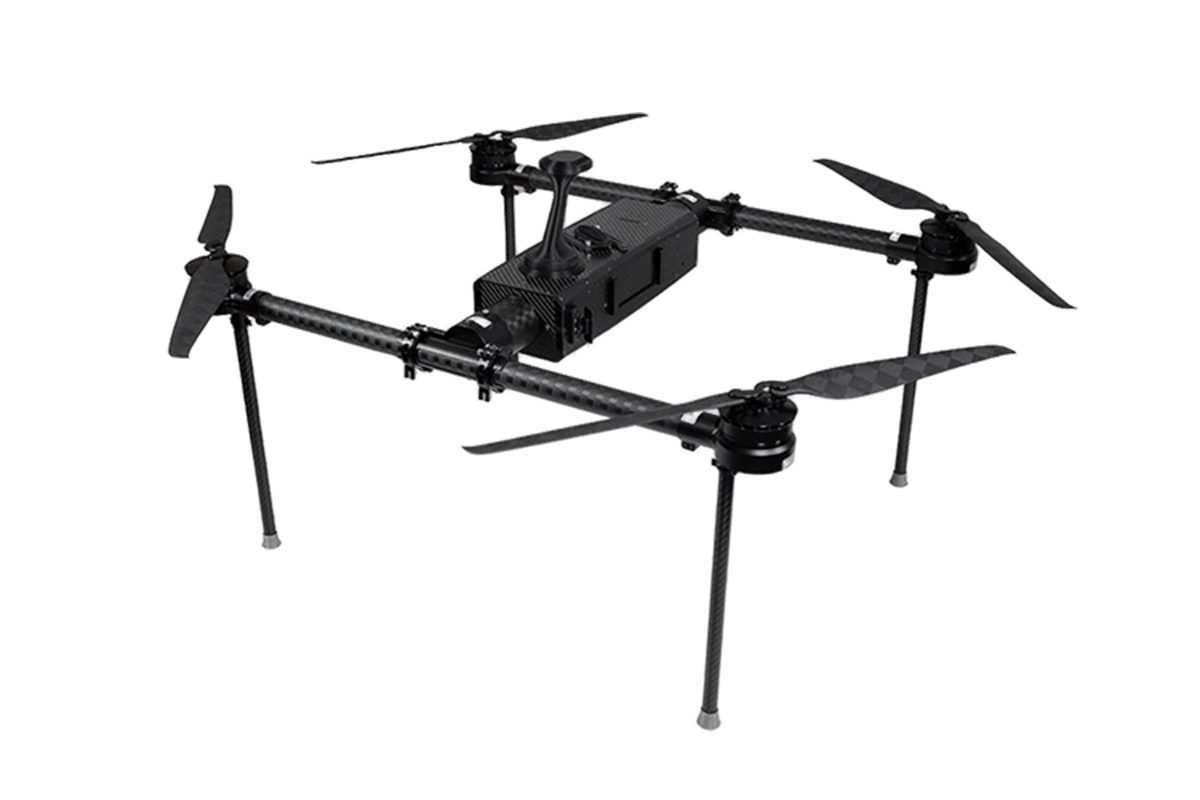
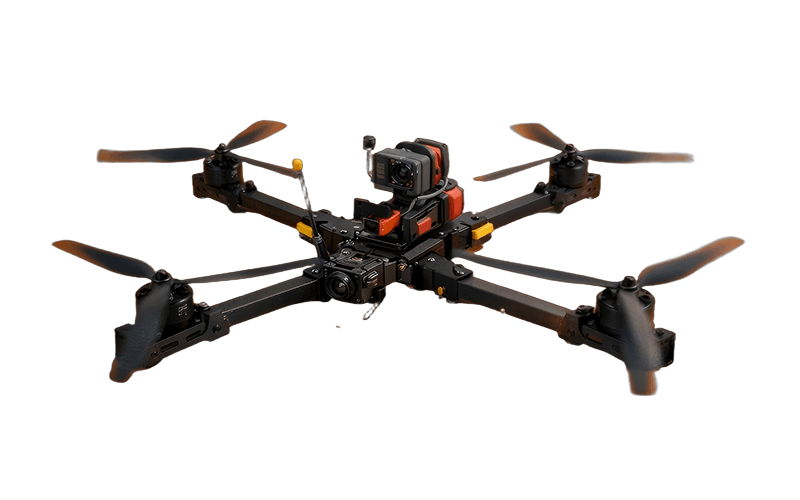
The Future of Aerial Solutions: Exploring KEEL - The Modular Industrial Drone with Unmatched Endurance

In the realm of aerial solutions, the emergence of modular industrial drones is revolutionizing the landscape of long-range operations. Designed specifically for demanding professional applications, these drones are engineered to provide unmatched endurance, making them a vital tool for industries ranging from agriculture to logistics. With their ability to cover vast distances without the frequent need for recharging or refueling, these drones ensure that aerial tasks are completed efficiently and without interruption, enhancing productivity and operational effectiveness.

Moreover, the versatility of modular drones allows for easy customization and adaptation to various operational needs. Whether it’s conducting detailed aerial surveys, monitoring environmental changes, or delivering essential supplies to remote locations, these drones can be equipped with an array of intelligent systems and payload options. This adaptability not only maximizes their utility across different sectors but also ensures that professionals can rely on a single platform to meet a myriad of challenges. As industries continue to evolve, the role of these advanced aerial solutions will undoubtedly expand, paving the way for innovative applications and improved outcomes in the professional landscape.

FAQS

: What is the expected market growth for industrial U

Vs in China by 2025?

How do UAVs enhance agriculture practices?

Drones improve crop monitoring and pesticide spraying, increasing efficiency by over 30% according to recent studies.

What challenges do UAV manufacturers face in meeting industry standards?

Many manufacturers lack necessary certifications, which can pose risks and affect reliability in the market.

What features should I evaluate when selecting an industrial UAV?

Consider payload capacity, battery life, and the potential for modular upgrades to suit evolving needs.

How does AI improve drone operations?

AI enhances navigation and obstacle avoidance, especially important in complex environments, though reliability in harsh weather may be a concern.

Why are regulations important for UAV operations in China?

Regulations prioritize safety and environmental protection, with varying requirements for industrial and recreational UAVs.

What is a common challenge for global buyers regarding UAV regulations?

Regulations can seem vague, creating confusion, making local partnerships essential for compliance.

How can users mitigate the learning curve associated with UAVs?

Exploring online resources or seeking professional training can help users adjust more efficiently to drone operation.

What should buyers be cautious about in the UAV market?

Due diligence is crucial as not all suppliers are reliable; thorough research can prevent costly mistakes.

What is the role of local partnerships in the UAV industry?

Local partnerships can help navigate regulations and reduce the risk of penalties for misunderstandings.

Conclusion

The industrial UAV market in China is rapidly evolving, showcasing significant growth driven by technological innovations and a diverse range of applications across various sectors such as agriculture, construction, and logistics. Key players in this industry are embracing advanced technologies to enhance the efficiency and capabilities of industrial UAVs, making them essential tools for modern businesses.

However, international buyers face potential challenges, including navigating China's regulatory landscape and ensuring compliance with local laws. Despite these hurdles, the future trends indicate a promising outlook for China's industrial UAV market, with increasing demand likely to facilitate further advancements and opportunities for global collaboration.

Emily

Emily

Emily is a dynamic and skilled marketing professional with a deep understanding of UAV systems and their applications across various industries, including agriculture, energy, and smart cities. With a passion for integrated innovation, she plays a critical role in showcasing how her company builds......
Previous What is Commercial UAV Solutions for Your Business Needs?