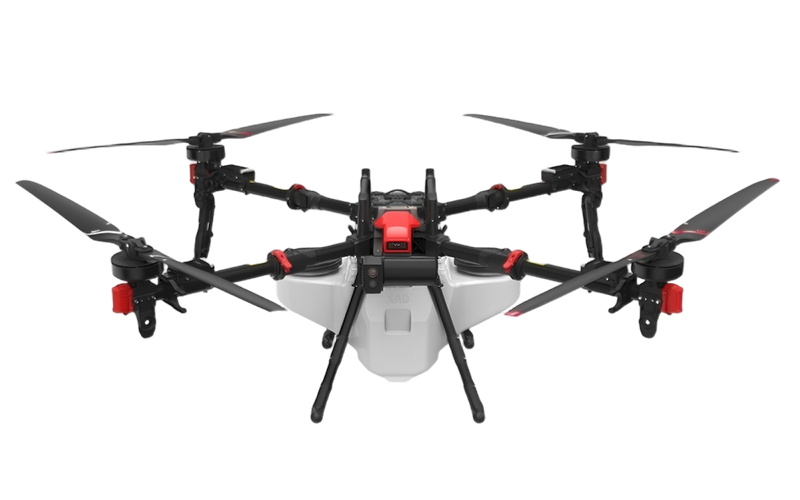
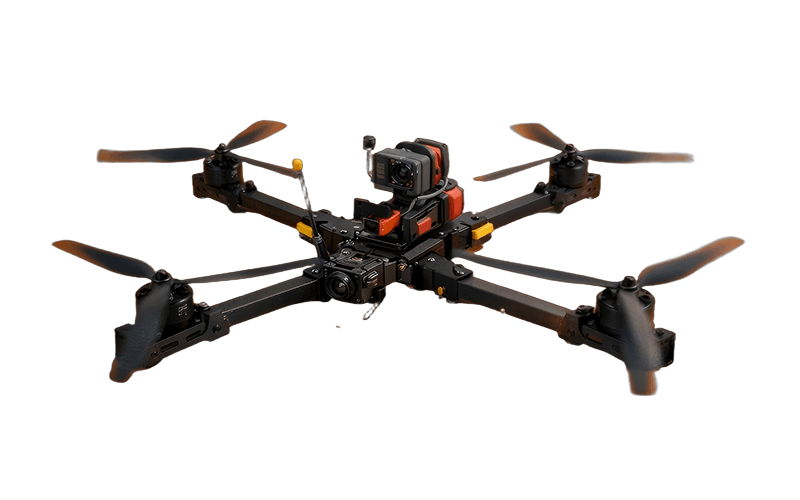
Lately, there's been quite a buzz around using Spray Drones in farming. Many farmers are starting to see these high-tech tools as a game-changer for crop management. What’s really cool is how precisely these drones can apply fertilizers and pesticides, which makes everything way more efficient. Honestly, this new approach could not only lead to healthier plants but also bump up those yields—win-win, right?
Of course, it’s not all sunshine and rainbows. The upfront cost for getting into drone tech can be a bit intimidating for some farmers. Plus, you’ve gotta learn how to operate these gadgets properly—no skipping the training here. Still, when you weigh everything, the benefits often outweigh the hassles. With tech advancing so quickly, Spray Drones have the potential to boost productivity and even be kinder to the environment.
Thinking about jumping on the bandwagon? It could really shake things up in agriculture. As experts explore this cool new tool, it’s important to keep both the good and the bad in mind. At the end of the day, the future of farming might just depend on how well we can blend old-school methods with new tech.
Spray drones are revolutionizing agriculture, especially in crop monitoring. Using aerial technology enhances visibility and provides detailed insights into crop health. According to a recent study, drone-based monitoring can improve crop yield by up to 15%. This precision helps farmers identify specific areas that require attention.
Drones can cover vast areas quickly, collecting real-time data. This rapid assessment enables farmers to react promptly. For instance, images taken at various growth stages can reveal pest infestations early, preventing larger losses. Integrating data analytics with drone imagery offers critical insights. A report from the National Agricultural Statistics Service found that timely interventions can reduce pesticide use by 25%.
Tips for optimal use of spray drones:
The introduction of spray drones in agriculture has revolutionized pest and disease management. According to a report by MarketsandMarkets, the drone market is expected to reach $5.7 billion by 2025. This growth is driven by the increased efficiency of applying pesticides and fertilizers, which can reduce chemical use by 30%. Spraying crops from the air ensures a more uniform application, minimizing the risk of over-spraying or missing spots.
Utilizing drones can also speed up the monitoring of crop health. They can capture high-resolution images that detect early signs of pests or diseases, allowing farmers to act swiftly. Drones equipped with multispectral cameras analyze plant health by detecting stress factors invisible to the naked eye. This early intervention often results in recovering crops that might otherwise have been lost to pests or diseases.
Tip: Regularly calibrate your drone's sensors to improve accuracy. By ensuring the sensors are functioning optimally, you can enhance the quality of data collected. Always cross-reference drone data with on-the-ground observations for the best results. Remember, technology is a tool, not a replacement for experience. Reflecting on past practices can lead to better integration of drones into current methods. These insights help in understanding the strengths and weaknesses of using drone technology in agriculture.
The rise of spray drones in agriculture showcases a significant stride in cost efficiency. These drones automate the spraying process, minimizing the need for labor-intensive methods. Reports indicate that farmers can reduce labor costs by up to 90%. This efficiency translates not only to lower expenses but also to faster operation times.
A study by the U.S. Department of Agriculture highlights that drone technology allows farmers to cover fields at a rate of 10 times faster compared to traditional methods. This rapid coverage leads to improved resource allocation. Farmers can focus their efforts on strategic planning rather than just manual spraying tasks. Efficiency can lead to better crop yields and resource management, aligning profits with sustainable practices.
However, the integration of this technology needs careful consideration. While the upfront investment in drones might seem steep, the long-term savings can be profound. Farmers must evaluate their specific needs and the potential return on investment. It’s essential to balance technology with traditional practices to ensure optimized results. This reflective approach could lead to further innovations in agricultural methodologies.
Precision agriculture has revolutionized farming practices by enabling the targeted application of pesticides and fertilizers.
Spray drones are at the forefront of this change. Farmers can now pinpoint specific areas in need of treatment.
This helps reduce waste and lowers costs associated with over-application. Drones equipped with advanced sensors analyze crop health and deliver exactly what is needed, when it is needed.
Using spray drones also minimizes the environmental impact of farming. By applying chemicals only where necessary, farmers protect beneficial insects and nearby water sources.
This targeted approach lowers the risk of chemical runoff, which has been a persistent challenge in conventional farming.
However, relying solely on drones can pose its own challenges. Operators must maintain the equipment regularly and ensure they are well-trained to operate it effectively.
Moreover, while drones enhance efficiency, farmers should be cautious about neglecting traditional methods.
Conventional practices still hold value, especially in regions with unique agricultural challenges. Integrating both technologies may lead to optimal results.
Balancing innovation with experience is key in this evolving agricultural landscape.
Utilizing spray drones in agriculture is transforming crop maintenance. Time-saving benefits are significant. Farmers can cover vast areas in a fraction of the time compared to traditional methods. Drones operate quickly and efficiently, applying pesticides or fertilizers uniformly. This swift application reduces labor costs and allows farmers to focus on other critical tasks.
When integrating spray drones, consider training. While drones are user-friendly, proper knowledge enhances efficiency. Understanding the technology ensures better calibration and reduces wasted resources. Test the equipment regularly to maintain performance. Also, keep an eye on weather conditions. Optimal flying days increase accuracy and reduce drift.
Utilizing drones encourages precision agriculture. Farmer decisions become data-driven and more efficient. However, the high initial investment can be daunting. Evaluate your needs thoroughly before making a purchase. Start with smaller projects to gauge effectiveness. This approach fosters continuous improvement and real-world experience. With each use, adjustments can lead to better results over time.
| Benefit | Description | Time Saved (Hours) |
|---|---|---|
| Precision Application | Drones allow for targeted spraying, reducing chemical use and increasing efficiency. | 5 |
| Increased Coverage | Drones can cover large areas quickly, allowing farmers to manage more land. | 8 |
| Reduced Labor Costs | Fewer human workers are needed for spraying tasks, lowering overall labor costs. | 10 |
| Real-time Data Collection | Drones can collect data on crop health, optimizing future spraying operations. | 3 |
| Better Scheduling | Drones enable precise timing for applications, improving effectiveness. | 2 |
| Environmentally Friendly | Less chemical runoff occurs due to precise applications, benefiting ecosystems. | 4 |
| Remote Operation | Farmers can operate drones remotely, reducing the need for on-site presence during spraying. | 6 |
| Easier Access to Fields | Drones can navigate difficult terrains where traditional equipment can’t reach. | 7 |
| Increased Crop Yield | With optimized spraying, crops can achieve higher yields. | 9 |
| Data Analytics | Analyzing spraying data improves future farming decisions. | 1 |
Agriculture faces numerous challenges, particularly in addressing environmental sustainability. One innovative solution is the use of spray drones. These drones help reduce chemical usage significantly. By precisely targeting crops, they minimize wastage, ensuring that chemicals reach only where needed. This accuracy can lead to healthier plants and less toxic runoff.
Reducing chemical application impacts the ecosystem positively. Fewer chemicals mean better soil quality and improved water sources. The precision of spray drones decreases the overall volume of pesticides and fertilizers in the environment. Farmers can see immediate benefits in their yield and quality, yet adoption comes with its hurdles. Initial costs and technology learning curves can pose challenges for some.
Farmers must reflect on their existing practices. Transitioning to drones requires a shift in mindset and operations. While the benefits of spray drones are clear, understanding local conditions and integrating technology takes time. Embracing this new approach actively supports a more sustainable future for agriculture.
Spray drones have revolutionized data collection in agriculture. These devices facilitate precise monitoring of crops and soil. Farmers can now gather data on moisture levels, nutrient content, and plant health in real-time. According to a report by the Agricultural Drones Market, the global market for agricultural drones is expected to reach $2.5 billion by 2025. This growth underscores the increasing reliance on technology in farming.
The use of drones has shown remarkable efficiency. A study indicated that crop mapping with drones can reduce data collection costs by up to 80%. Drones provide detailed aerial imagery that helps in identifying pest infestations or disease outbreaks early. They can cover large areas quickly, which is essential for timely interventions. However, the interpretation of this data can be challenging. Many farmers may lack the expertise to analyze complex datasets. Therefore, seeking professional advice is often necessary.
Investing in drones also comes with its challenges. Initial costs can be high, and maintenance requires knowledge. Not all data collected may be useful, and distinguishing between actionable insights and noise can be difficult. As farmers integrate drone technology, continuous learning and adaptation remain crucial for maximizing its benefits. Embracing this technology means acknowledging the learning curve that accompanies it.
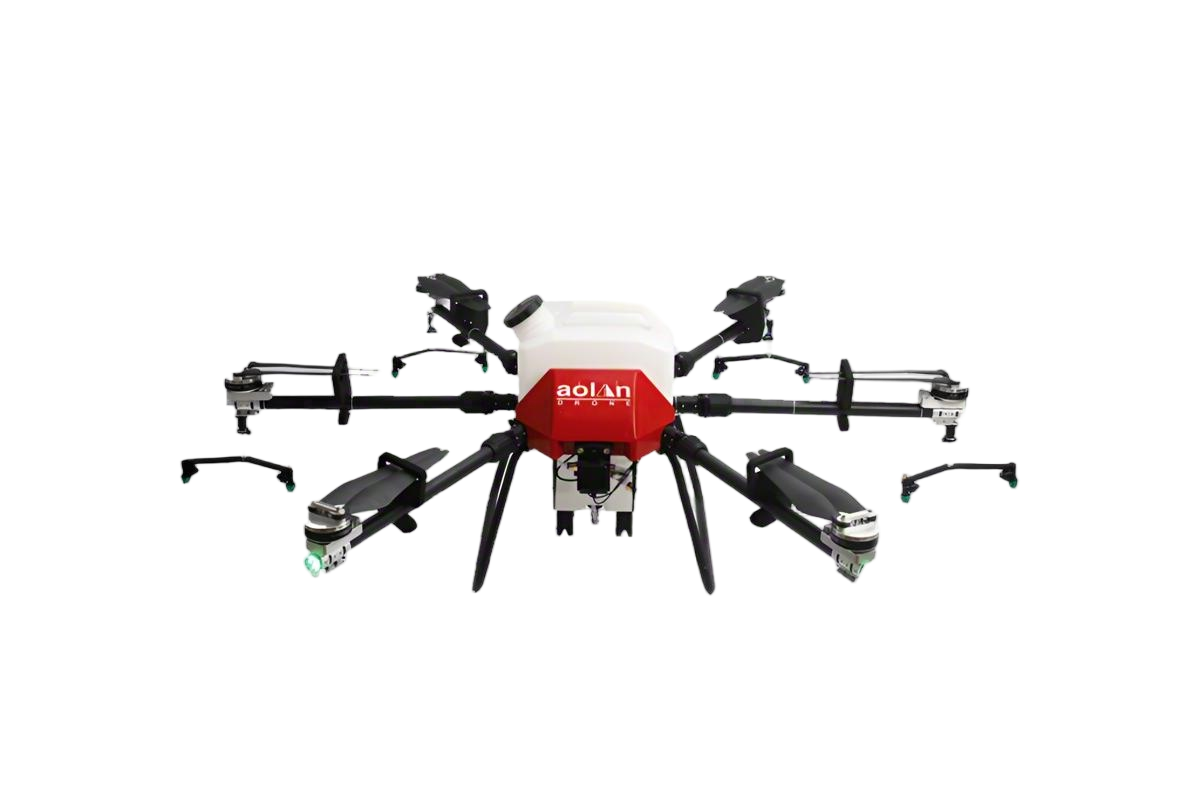
The agricultural industry is experiencing a significant transformation with the introduction of advanced technological solutions, notably the AL6-30 6-Rotor Agricultural Spraying Drone. This innovative drone is engineered specifically for professional farm use and is equipped with a helicopter-grade engine, ensuring efficient and powerful crop treatment. In an era where precision farming is becoming paramount, the reliance on such aerial tools is changing the way crops are managed, leading to enhanced yields and reduced operational costs.
According to recent reports from agricultural technology experts, the global market for agricultural drones is projected to reach $4.7 billion by 2025, reflecting a compound annual growth rate of over 30%. This surge is largely due to the growing need for improved crop management techniques and the demand for sustainable farming practices. Drones like the AL6-30 contribute significantly to achieving these goals by enabling farmers to apply pesticides and fertilizers more uniformly and effectively, minimizing waste and environmental impact.
Moreover, the ability of such drones to cover large areas quickly and efficiently means that farmers can achieve greater productivity levels. The AL6-30’s sophisticated technology allows for precise mapping and data collection, empowering farmers to make informed decisions about crop health and resource allocation. With these advancements, farmers can not only optimize their operations but also contribute to the broader objective of sustainable agriculture, driving the industry toward a more efficient and eco-friendly future.
: Spray drones provide aerial visibility and offer insights into crop health, improving yields by up to 15%.
They cover vast areas quickly, collecting real-time data for timely interventions.
Drones capture images at different growth stages, revealing infestations early to prevent larger losses.
Regular maintenance, proper sensor calibration, and continuous education on drone technology are essential.
It reduces pesticide use by 25%, applying chemicals only where necessary to protect the environment.
Operators need proper training and maintenance; relying solely on drones may overlook traditional methods.
Data interpretation can be complex; professional advice may be necessary to identify actionable insights.
Initial costs can be high, and not all collected data may be useful for immediate agricultural decisions.
Combining innovation with experience is key for optimal results in unique agricultural environments.
Adapting to new technologies is crucial for maximizing benefits and navigating the learning curve effectively.
Spray drones are revolutionizing modern agriculture by offering a range of significant benefits. One of the key advantages is enhanced crop monitoring, enabling farmers to observe their fields from above, which leads to better identification of issues such as pests and diseases. Additionally, spray drones improve pest and disease management through precise application techniques, minimizing the need for excessive chemical use. This targeted approach not only contributes to environmental sustainability but also enhances the efficiency of farming operations by reducing labor and resource costs.
Furthermore, the use of spray drones in agriculture streamlines processes, saving valuable time in crop maintenance. By leveraging advanced technologies for data collection and analysis, farmers can make informed decisions that optimize their agricultural practices. Overall, the integration of spray drones fosters a shift toward precision agriculture, shaping a more sustainable and efficient future for farming.